Finding Energy “Hot Spots” 🔥
Back to newsHey everybody, EO Aaron here.
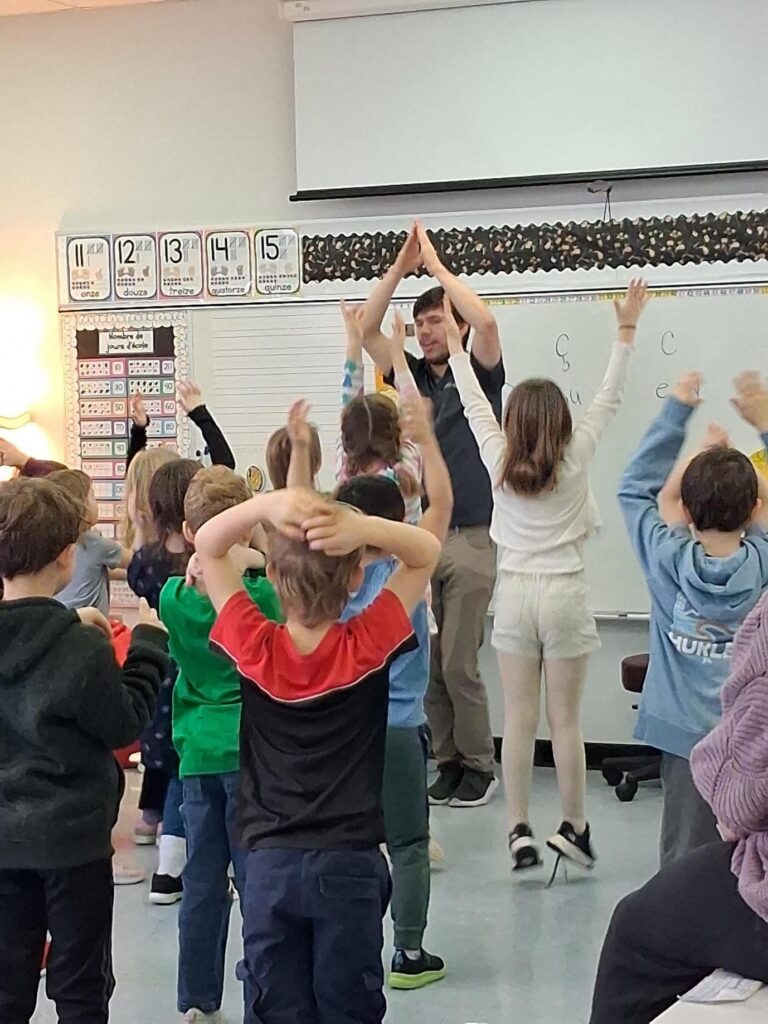
I’m a few months into my position and I have been absolutely loving my interactions with students across grade levels. I’ve learned a lot about putting things in a way that students of all age levels can understand.
In our presentation, we always bring a few light bulbs with us that we show the students. They always notice that the incandescent light bulb gets really hot, as opposed to the LED.
So I have taken that and ran with it. I always make sure the students know that if something gets hot, it’s probably using a lot of energy. With that little bit of information, it comes at no surprise when they see that the hairdryer I show them uses the most out of all my items.
Before giving students that insight, I would ask them about what they think uses the most amount of energy. I frequently hear answers like “lightbulbs, televisions, phone chargers, nintendo switches.”
But after I gave students that compass to look for “energy hot spots”, I started hearing answers like “the oven, the microwave, the curling iron.”
It’s no longer a memorization game nor a guessing game. Follow the heat. Look around at the things in your own home and ask yourself…is it getting really hot?
From there, the next step is to think differently about how we use those things.
Try to replace the things that get hot with alternatives. Using a drying rack instead of a dryer, a towel instead of a hair dryer, an airfryer instead of an oven, LED lights instead of incandescents.
The goal isn’t to stop using electricity altogether, we need electricity. The goal is to use it more intentionally.
When students start thinking this way, something interesting happens. They begin to ask insightful questions. They notice patterns. They start coming up with their own ideas to save energy, both at school and at home.
And that’s what this is really about.
Not just saving energy for a day, but building the habit of noticing, questioning, and improving.
So this week, try it yourself. Walk through your home or classroom and pay attention to what gets hot. You might be surprised by how much you discover—and how many opportunities there are to make smarter choices. Every small change adds up, and it all starts with one simple idea: follow the heat. 🌱